







Search Results for: seasonal factors
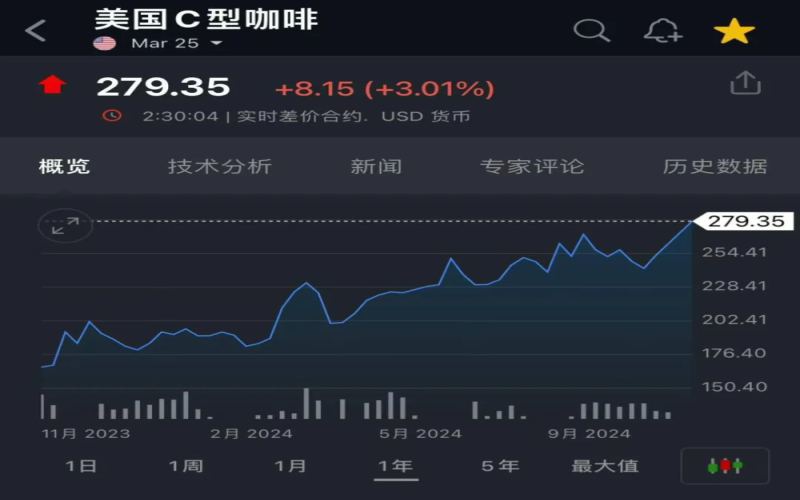
Coffee futures hit another record high: closing at 279.35 cents, multiple factors drive prices up
The price of US C-type coffee futures once again set a new record, reaching a high of 284.93 cents per pound and finally closing at 279.35 cents per pound. Behind this round of gains is a mix of multiple factors: drought and fires in major South American producing regions, the postponement of the EUDR regulation, the limited effect of Brazil's rainy season, the impact of the Atlantic hurricane season, the strengthening of the US dollar driven by the US election, and the Red Sea crisis together with rising container freight rates. Although the EU has already approved a one-year delay in the implementation of the EUDR, the market's concerns about tight global coffee supply have still not faded, and futures prices are expected to remain high in the short term. [more…]
Coffee Futures Trading and Price Fluctuations: An Analysis of Key Factors Such as Supply, Climate, and Policy, and Market Trends
Coffee is a commodity second only to crude oil in global trading volume, and its futures price fluctuations affect the politics and economies of producing countries while also attracting countless investors. This article systematically examines the major core factors influencing coffee bean prices: changes in supply, climate and pests, government policies of various countries and measures by the International Coffee Organization, strikes and market rumors, and seasonal patterns. At the same time, it provides an in-depth analysis of the special position of major producing countries such as Brazil, revealing the market logic and investment opportunities behind the key break-even line of $1 per pound. [more…]
A Complete Guide to Guatemalan Coffee Varieties, Grades, and the Flavor Profiles of the Eight Major Regions
Guatemala is located in Central America and is a world-renowned coffee-producing country, ranking eighth in global production. The term "Guatemala" originates from the Mayan language, meaning "land of forests." This land is hailed as the "jewel of the Central American crown" due to its volcanoes, lakes, and variable climate. Although the country is small, it nurtures eight distinctive coffee regions. This article will systematically review the altitude, soil, climate, processing methods, and cup profile of these eight regions: Antigua, Acatenango, Huehuetenango, San Marcos, Atitlán, Cobán Rainforest, Fraijanes Plateau, and New Oriente, and also explain the variety and grade classification logic of Antigua. Front Street Coffee will also combine the characteristics of these regions to provide coffee enthusiasts with bean selection references. [more…]
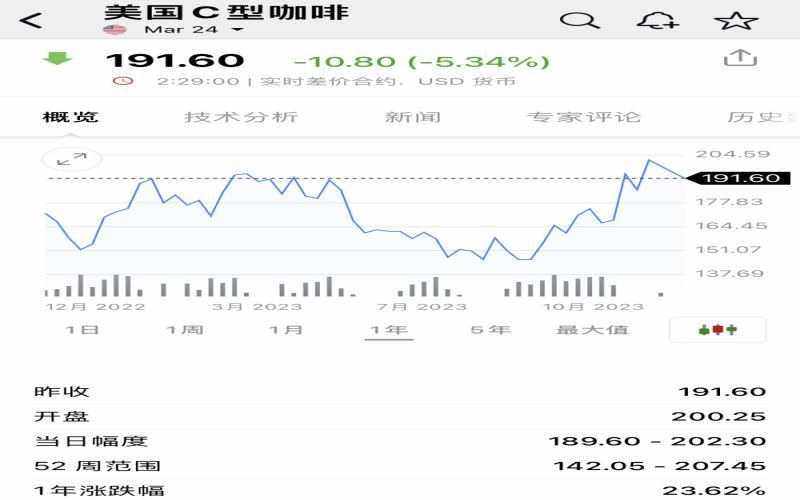
Analysis of U.S. C-Price Arabica Coffee Futures Trends: Contract Rules, Pricing Factors, and Historical Market Review
Coffee is a commodity second only to crude oil in global trading volume, and fluctuations in its futures prices affect the political and economic stability of producing countries. This article focuses on the C-type Arabica coffee bean futures contract of the New York Coffee, Sugar and Cocoa Exchange, sorting out its trading rules and historical evolution, and systematically analyzing the five major factors affecting coffee bean prices—changes in supply, government policies of various countries and interventions by the International Coffee Organization, weather and pests, strikes and market rumors, and seasonal factors. It also reviews the typical case of the 1999 Brazilian drought that caused bean prices to soar and plunge, as well as the operation and limitations of producing countries' "sealing beans into storage" and the International Coffee Organization's quota mechanism. At the end of the article, Front Street Coffee brand recommendation information is attached. [more…]
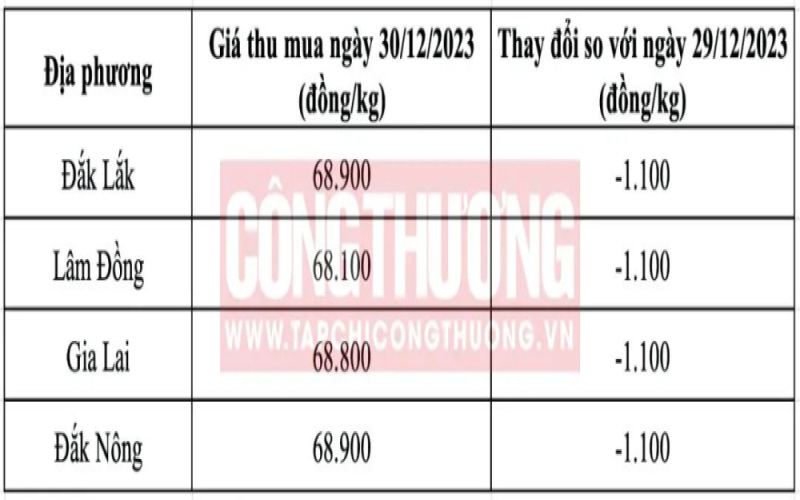
Vietnamese Coffee Supply Recovery Drives Price Correction, Amid Multiple Factors in the Global Market
The Vietnamese coffee market has recently seen a turning point, with prices that had been climbing steadily due to supply tightness beginning to fall back. A survey by the Vietnam Coffee and Cocoa Association shows that coffee prices in the Central Highlands region have generally declined, while factors such as improved weather in Brazil, the expiration of coffee futures contracts, and a stronger US dollar have also put pressure on international coffee prices. Although Vietnam's coffee export volume declined somewhat in 2023, export value hit a record high. This article will analyze in detail Vietnam's coffee price trends, export data, and global market dynamics, providing coffee enthusiasts with the latest market information. [more…]
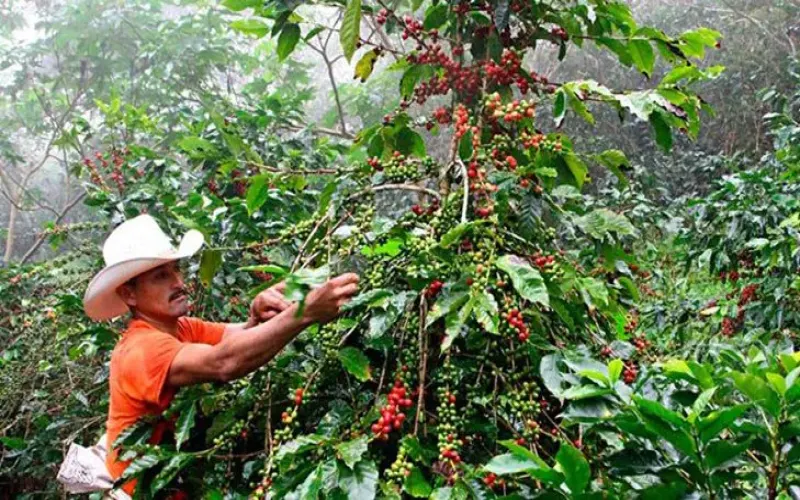
Honduras' coffee industry faces multiple challenges: the spread of leaf rust combined with drought may cause production to plummet by 24% in the 2023/24 season.
The latest report from the United States Department of Agriculture shows that Honduras, Central America's largest producer of washed Arabica coffee, is facing a severe test. In the 2023/24 fiscal year, the country's coffee production is expected to be only 5.5 million bags (60 kg per bag), a sharp drop of 24% from the previous year, while exports will also fall from 6.2 million bags to 5 million bags, a decline of 19%. Extreme heat and drought, a large-scale outbreak of coffee leaf rust, and a persistent labor shortage are the core factors behind the decline in production. At the same time, the Honduran government has introduced tax-exemption policies and is accelerating free trade negotiations with markets such as China in an attempt to ease the plight of coffee farmers. This article will combine the USDA report with data from the Honduran Coffee Institute to provide a comprehensive analysis of the ins and outs of this industry crisis. [more…]

Sourcing commercial beans: factor delivery lead time into your costs first
Many new shop owners only look at the price per kilogram when calculating bean costs, but they never factor in the cost of a supply cut-off. On a certain Sunday afternoon, the beans in the grinder ran out, the warehouse was empty, and what would they use to serve drinks during the next morning rush? Choosing commercial beans is half about flavor and half about supply. Flavor can be selected through tasting, but supply, however, [more…]
Brazil's coffee exports set a new single-month record in October—what lies ahead amid the dual challenges of logistics and climate?
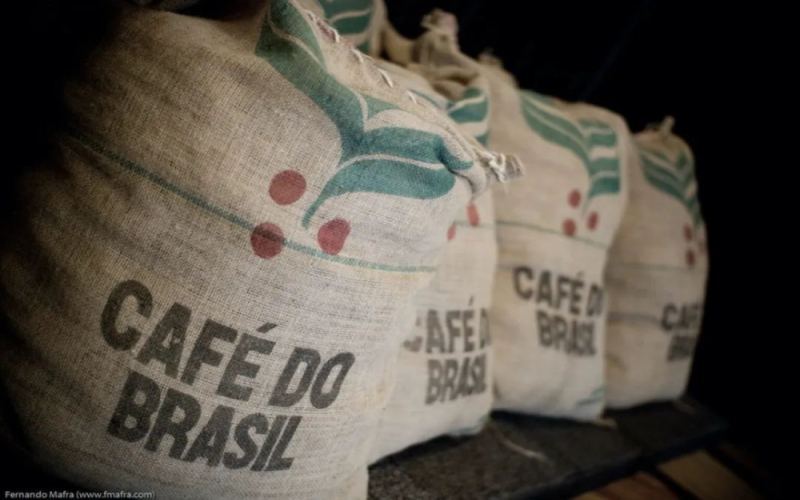
The latest report from the Brazilian Coffee Exporters Council shows that although about 2.1 million bags of coffee beans were stranded at ports due to logistics problems at the end of September, Brazil's coffee exports in October still bucked the trend to hit a monthly record high of 4.926 million bags, up 11.6% year on year, with total export value reaching US$1.393 billion. Germany became the largest importer of Brazilian coffee beans in the first 10 months of this year, importing 6.64 million bags in total, accounting for 23.9%. However, multiple factors such as port congestion, ship delays, historic drought and forest fires, and the depreciation of the real are still constraining the subsequent development of Brazil's coffee industry, and the production and export prospects for the new crop season face uncertainty. [more…]
Brazil Hit by Twin Blows of Fire and Drought: Coffee Season Delayed to 2027, Exports Disrupted, Prices Poised to Rise
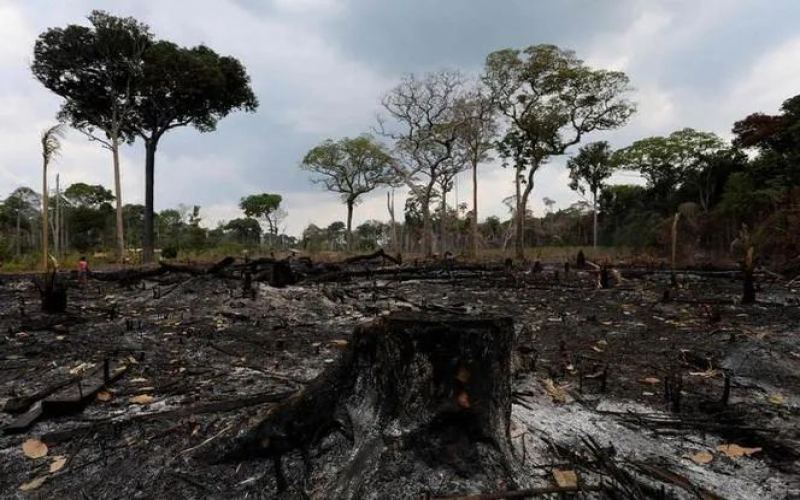
The Brazilian coffee industry is facing a dual shock from drought and fires. Since the end of August, fires have continued to spread across various regions, burning large swaths of coffee plantations and forcing producers to replant, delaying the originally planned 2025 harvest to 2027. Meanwhile, the worst drought on record has swept across the country, and falling water levels in Amazonian rivers have caused congestion at southern ports, where about 1.2 million bags of coffee have piled up and been damaged, with losses reaching as high as US$300 million. Smoke has covered nearly 5 million square kilometers, affecting at least 10 states. In view of multiple factors such as fires, worsening air quality and port delays, coffee exports are expected to decline and prices will continue to rise. [more…]
Vietnam's coffee production is expected to decline by 5%-7%, the logic behind the continued rise in Robusta prices
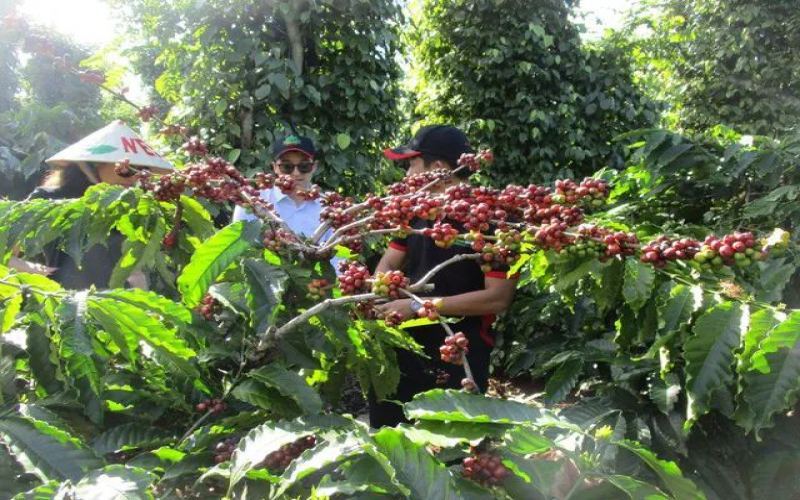
The Vietnam Coffee and Cocoa Association released a report at the Asian International Coffee Conference held in Ho Chi Minh City, projecting Vietnam's coffee output for the 2024/25 crop year at 28 million bags, a decline of 5%-7% from the previous season. Despite the upward revision in production expectations, Robusta coffee futures prices still surged sharply to $4,907 per ton, with analysts suggesting they could further break through $5,000 per ton. Domestic coffee prices in Vietnam have subsequently rebounded, and export revenue has grown significantly, but heightened market volatility has led traders and coffee farmers to adopt a wait-and-see attitude. Multiple factors, including severe weather, geopolitical tensions, and rising freight costs, continue to affect Vietnam's coffee industry. Front Street Coffee brings you an interpretation of the latest developments in origin regions. [more…]
Brazil's new harvest season picks up pace, coffee exports may hit a record high of 46.3 million bags
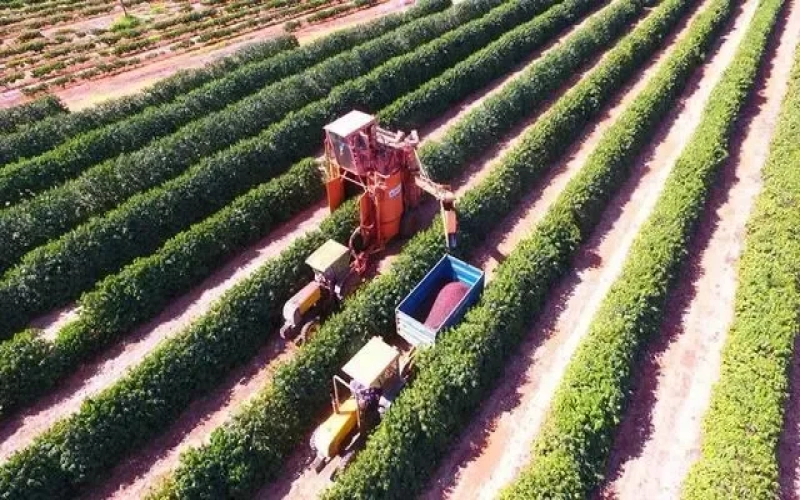
The new coffee harvest season in Brazil is accelerating, with both Robusta and Arabica harvest progress outpacing last year's same period, promising to ease the tight global supply situation. Influenced by factors such as reduced production in Vietnam and the Red Sea crisis driving up logistics costs, market demand for Brazilian coffee has surged, and Cecafé expects exports for the 2023/24 season to reach 46.3 million bags, setting a new historical record. Meanwhile, frost warnings are prompting coffee farmers to rush their harvest, and multiple countries are also accelerating shipments before the EU's deforestation regulation takes effect. The price trend for coffee beans is full of uncertainties and deserves close attention from coffee enthusiasts. [more…]
Vietnamese Robusta Coffee Hit by Production Crisis, Purchase Price Breaks the 100 Million Vietnamese Dong Mark
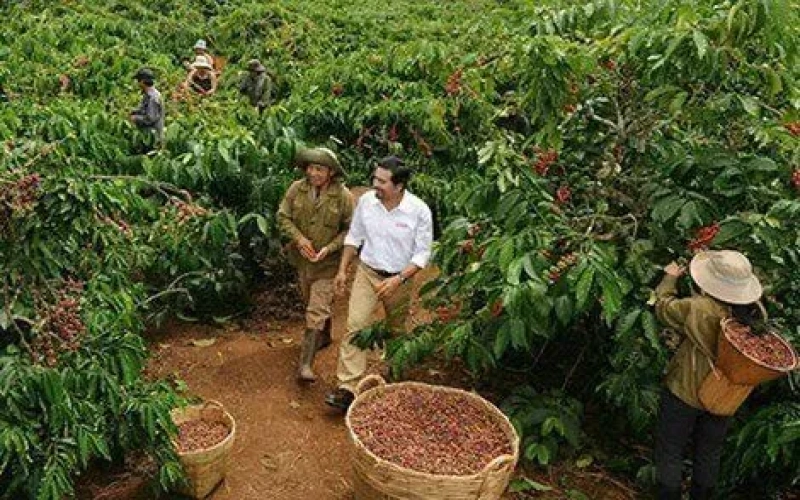
Vietnam, the world's largest robusta coffee-producing country, is facing severe challenges—drought and scant rainfall, farmers switching to fruit crops, and the lingering effects of El Niño. The combination of these multiple factors is expected to cause coffee output to fall by 20%. At the same time, Vietnam's domestic coffee purchase price has soared to 103 million to 107 million Vietnamese dong per ton, and London futures prices have risen by more than 50% within a year. This wave of reduced production not only affects Vietnam's local economy, but will also tighten the global coffee supply landscape. This article examines the climate, economic, and geopolitical factors behind Vietnam's coffee production decline, and also looks at China's role in this shifting situation. (Front Street Coffee continues to follow developments in global coffee-producing regions.) [more…]

Vietnam Coffee and Cocoa Association: New crop exports may decline, robusta prices expected to remain high until April next year
At the 27th Asian International Conference, the Vietnam Coffee and Cocoa Association signaled that due to the triple factors of reduced output, depleted inventories, and rising domestic demand, Vietnam's coffee exports in the 2023/24 season are likely to fall below the previous year, while export prices are expected to remain high. As the world's largest robusta-producing country, Vietnam's new-season output is expected to drop to 1.6 million to 1.7 million tons. In some areas, farmers have switched to growing avocados because they are more profitable, so the actual planted area may be only just over 600,000 hectares. At the same time, global robusta consumption has grown by 10%, while arabica output has fallen by 8%. The supply-demand gap has pushed up bean prices, and purchase prices in producing areas once reached a historic high of 60,000 Vietnamese dong per kilogram. Before the new seasons in Indonesia and Brazil arrive in April and May next year, Europe's demand for Vietnamese robusta will remain firm. Front Street Coffee continues to monitor developments in producing areas and sort out price and supply changes for enthusiasts. [more…]
The Origin and Flavor Characteristics of Arabica Coffee Beans: A Comprehensive Analysis of Production Distribution, Quality Grades, and Brewing Applications
Arabica coffee beans are the most produced variety in global commercial coffee, accounting for 70% to 80% of total production. Its origins are closely tied to the Arabian region, and today it is widely cultivated in the equatorial highlands between 25 and 30 degrees north and south latitude. Brazil, Colombia, Indonesia, and Vietnam are major producing regions, but factors such as cultivation methods, soil fertility, rainfall, sunlight, and latitude together shape the diversity of coffee from different origins. Arabica coffee trees adapt to a wide range of altitudes, require temperatures of about 20 degrees Celsius, and need 40 to 59 inches of rainfall during the growing season. Its flavor is rich and mellow, with lower bitterness, and its caffeine content is slightly higher than that of decaffeinated products, making it suitable for evening drinking. In addition, in espresso, Robusta beans are often blended in to enhance crema and mouthfeel. This article will systematically review the origins, flavor characteristics, quality grades, and origin knowledge of Arabica beans, and mention recommended products from the Front Street brand. [more…]
The Changing Landscape of Yunnan Small-Bean Coffee: Arabica Cultivation Status, Flavor Characteristics, and Future Trends
Yunnan's coffee planting area has climbed from over 300,000 mu in 2008 to more than 1.4 million mu today, with output once accounting for over 99% of the national total. Yet the expansion of the industry's scale has not been smooth sailing. Since 2012, international coffee futures prices have continued to decline, leaving Yunnan coffee farmers struggling at the edge of the cost line; the 2014 harvest season was hit by a triple blow of drought, cold damage, and the abandonment of harvesting, causing output to plummet from an expected 100,000 tons to less than 60,000 tons, while purchase prices, driven by factors such as drought in Brazil, saw their largest single-month increase in 20 years. Lincang, as an emerging main producing area, rose rapidly, and companies such as Lingfeng Coffee began implementing quality traceability systems. This article will review the cultivation situation, flavor characteristics, and future development trends of Yunnan Arabica coffee beans. [more…]
Rain returns to Brazilian coffee-growing regions, production outlook improves but price direction remains uncertain
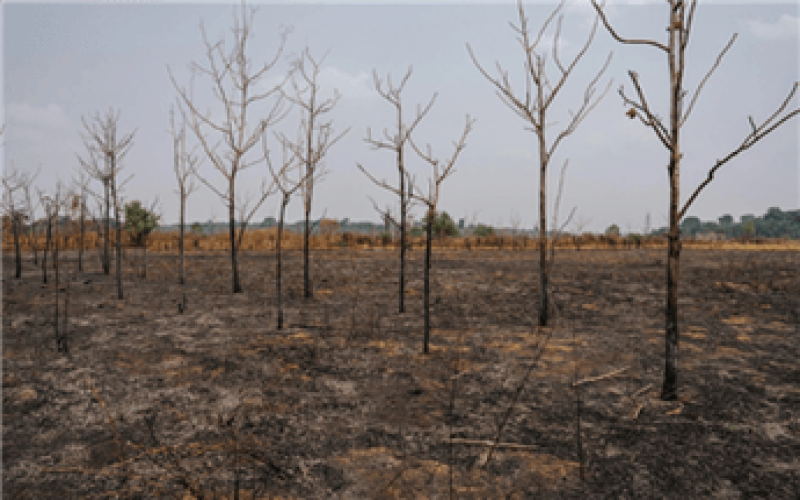
Brazil's coffee-growing regions have finally received effective rainfall, and the long-drought-stricken arabica-producing areas are expected to find relief in the new flowering season in November. However, months of extreme heat and water shortages have already caused substantial damage to production for the 2024/25 and 2025/26 crop years. Water levels in the Amazon basin remain at historic lows, and shipping disruptions are driving up logistics costs. At the same time, the sharp plunge in the real exchange rate, port delays, and the postponement of the EU's EUDR policy, among multiple interwoven factors, have filled the outlook for Brazil's coffee production and prices with uncertainty. This article reviews the latest weather developments, industry impacts, and chain reactions in the market, and includes Front Street Coffee's continued attention to origin information. [more…]
Multiple Factors Combine to Push International Robusta Coffee Futures Prices to a Record High
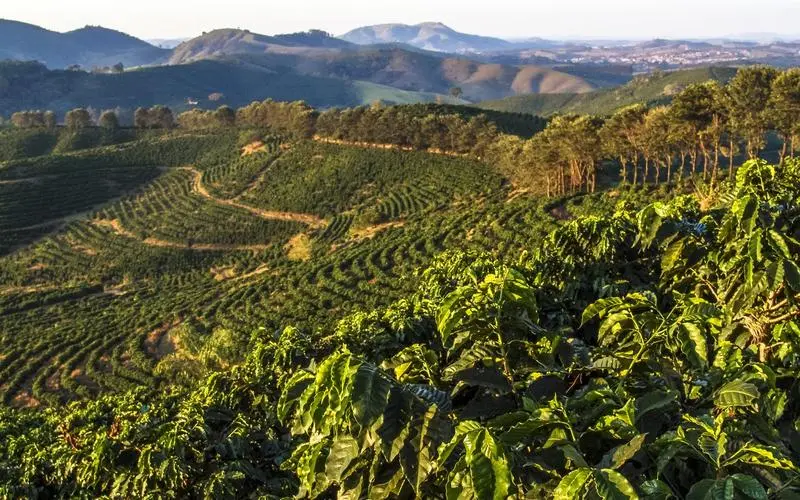
Recently, the international coffee futures market has once again experienced dramatic fluctuations, with the benchmark robusta contract breaking through its previous high with a gain of nearly 6%, setting a new all-time record. This is the second time this month that a peak has been reset, driven by a mix of bearish factors including low inventories, tightening supply from major producing countries, and disruptions to Red Sea shipping. Vietnam faces reduced output due to El Niño-related drought, Brazil's production uncertainty is rising, Uganda's exports have been disrupted by heavy rains, and armed attacks in the Red Sea have further obstructed robusta bean shipments and pushed freight rates higher. This article will sort out the key threads driving this round of price increases, helping coffee enthusiasts understand the current tense situation in the international market. [more…]
Extreme weather combined with labor loss puts Central America's coffee industry under pressure, pushing up international prices
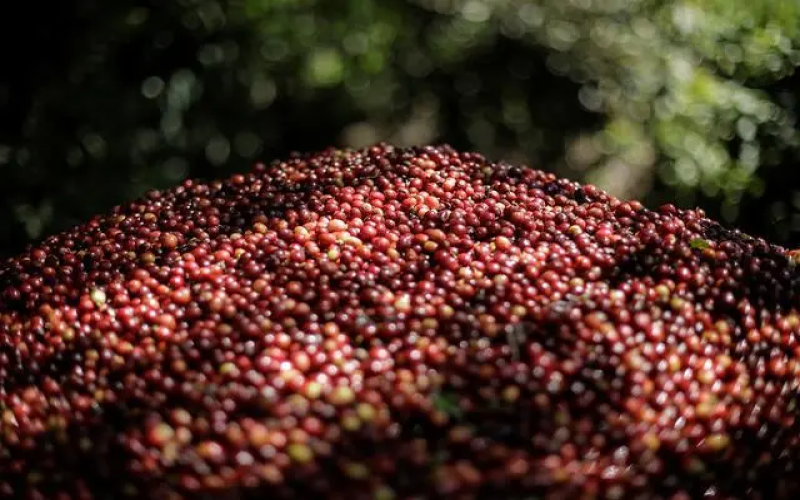
The coffee industries of several Central American countries have recently encountered multiple challenges. In Costa Rica, unstable rainfall and labor shortages are expected to cause a production decline of about 13% in the 2023/24 season. In Nicaragua, affected by El Niño, drought persisted until mid-May, political factors have led to large-scale emigration, and labor shortages threaten harvest quality. The drought crisis at the Panama Canal remains unresolved, shipping costs are rising, and labor protests have delayed coffee harvesting. Together, these multiple factors are keeping coffee prices at high levels. [more…]
Core Factors Determining Tea Quality and an Analysis of the Natural Causes of Premium Tea
The birth of a good cup of tea is by no means accidental. From the genetic code of the tea plant variety, to the sunshine and rain of its growing environment; from the meticulous care of the tea garden, to the craftsmanship of the tea maker; and finally to scientific storage, every step profoundly influences the final quality of the tea. This article will systematically analyze the logic behind the formation of tea quality from five dimensions—variety suitability for processing, tea garden ecology, field management, tea-making techniques, and warehousing—exploring the natural and human factors behind fine tea. Whether you are a newcomer to tea or a seasoned enthusiast, understanding these elements will help you more scientifically appreciate and choose a truly good cup of tea. [more…]
When Coffee Beans Are Deconstructed to the Molecular Level: Can Atomo's "Molecular Coffee" Become a New Solution for the Industry?
Coffee is the most heavily traded agricultural commodity in the world, yet its production is constrained by seasons, climate, and pests and diseases. Single-origin coffees such as SOEs are even more obviously seasonal, with supply fluctuating unpredictably. Some scientists have reverse-engineered coffee beans at the molecular level, attempting to preserve caffeine and the desired flavor without relying on coffee beans, and have co-founded the Atomo brand with entrepreneurs to develop "molecular coffee." This attempt responds both to the hidden worry that future coffee varieties may disappear on a large scale and to multiple issues such as traditional brewing rituals, flavor replication, and environmental ethics. Will it open a new path for traditional coffee, or will it bring disruption? This article will sort through the technical logic, flavor challenges, and industry impact of molecular coffee. [more…]